Government
What City of St. Augustine Residents Should Know About the Lake Maria Sanchez Flood Project
For years, residents around Lake Maria Sanchez, Old City South, Lincolnville and nearby historic streets have lived with a familiar pattern: high tides push water into streets and yards, heavy rain ov
By St. Augustine Social
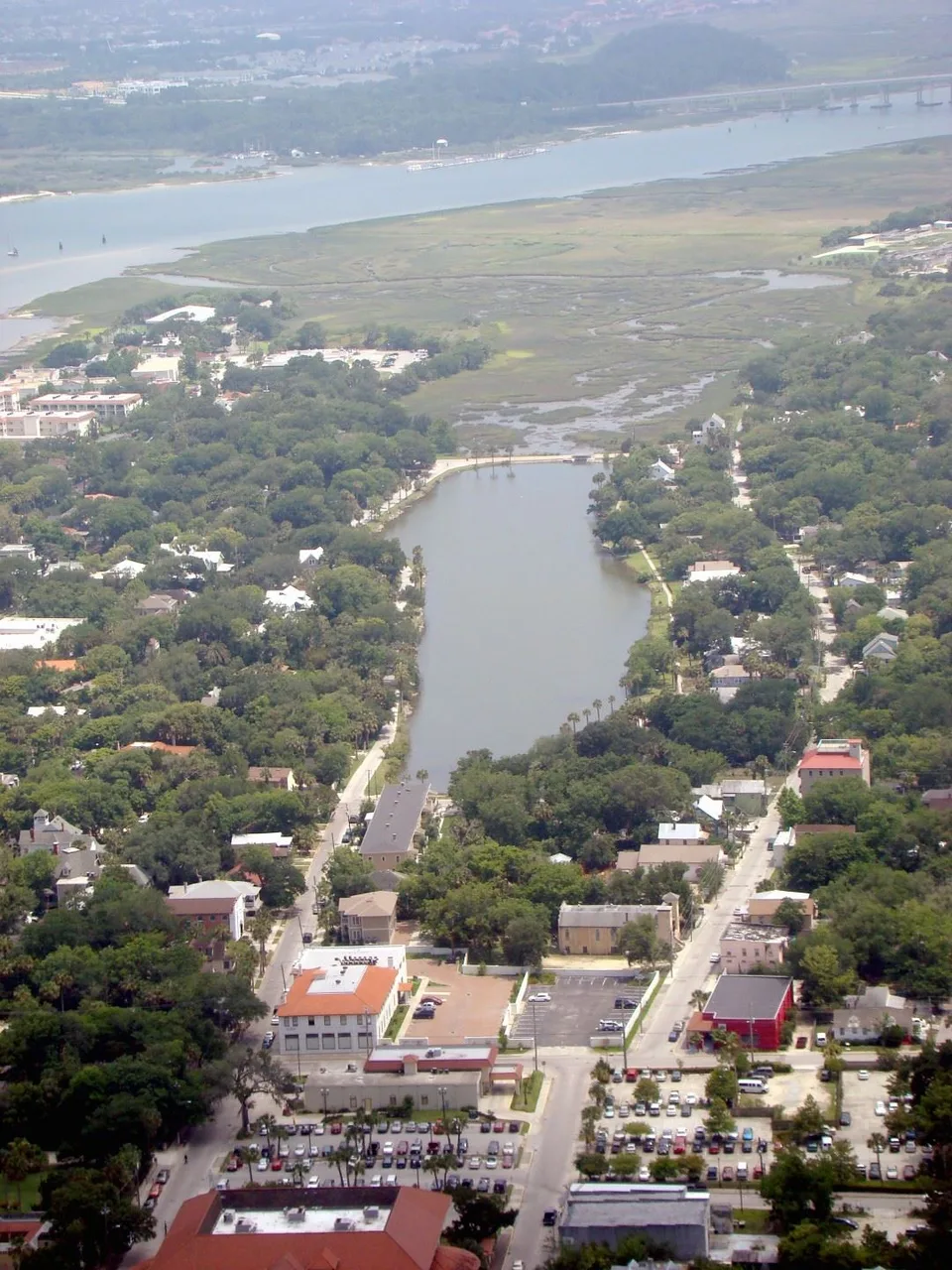
For years, residents around Lake Maria Sanchez, Old City South, Lincolnville and nearby historic streets have lived with a familiar pattern: high tides push water into streets and yards, heavy rain overwhelms drainage, and coastal storms bring the risk of more serious flooding into one of St. Augustine’s oldest and most vulnerable areas. The City of St. Augustine’s Lake Maria Sanchez Flood Mitigation and Drainage Improvements project is designed to reduce that risk.
The project is not a single seawall or one piece of drainage work. It is a larger resilience project meant to address two different problems at the same time: rainfall flooding and coastal flooding from storm surge, king tides and rising water levels. According to the city, the full project is expected to benefit roughly 200 acres of the historic district and help protect about 186 flood-prone structures. Many of those properties sit in some of the city’s most historically significant neighborhoods, where flooding threatens not only homes, streets and vehicles, but also buildings that help define St. Augustine’s character.
The Why
Lake Maria Sanchez is part of a low-lying drainage basin in the heart of historic St. Augustine. During normal conditions, the area functions as part of the city’s stormwater system. During high tides, nor’easters, hurricanes or intense rainfall, that system can be overwhelmed.
Residents who spoke at the Feb. 24 City Commission meeting described repeated flooding on streets including St. George Street, Marine Street, Charlotte Street, South Street, Washington Street, Bridge Street and Cordova Street. Some said they have elevated homes at personal expense, moved vehicles during king tides, replaced landscaping damaged by saltwater, or dealt with repeated storm-related losses.
Several speakers described the same basic problem: even when individual property owners take steps to protect their own homes, the neighborhood still depends on public infrastructure to keep water from backing into streets, yards and drainage systems.
City staff said the project is intended to reduce flooding from both rainfall and coastal water. That distinction matters. Rainfall flooding happens when stormwater cannot drain fast enough. Coastal flooding happens when tides, surge or rising water push into the system from the water side. The Lake Maria Sanchez project includes separate pieces aimed at both.
What the Project Includes
The city’s plan includes several major components:
- Stormwater infrastructure upgrades. The city plans to improve drainage infrastructure around the northern portion of the project area, including areas near City Hall, Granada Street, Cordova Street and streets that drain toward Lake Maria Sanchez. These upgrades are intended to improve how quickly rainfall can move through the system and reduce the depth and duration of street flooding.
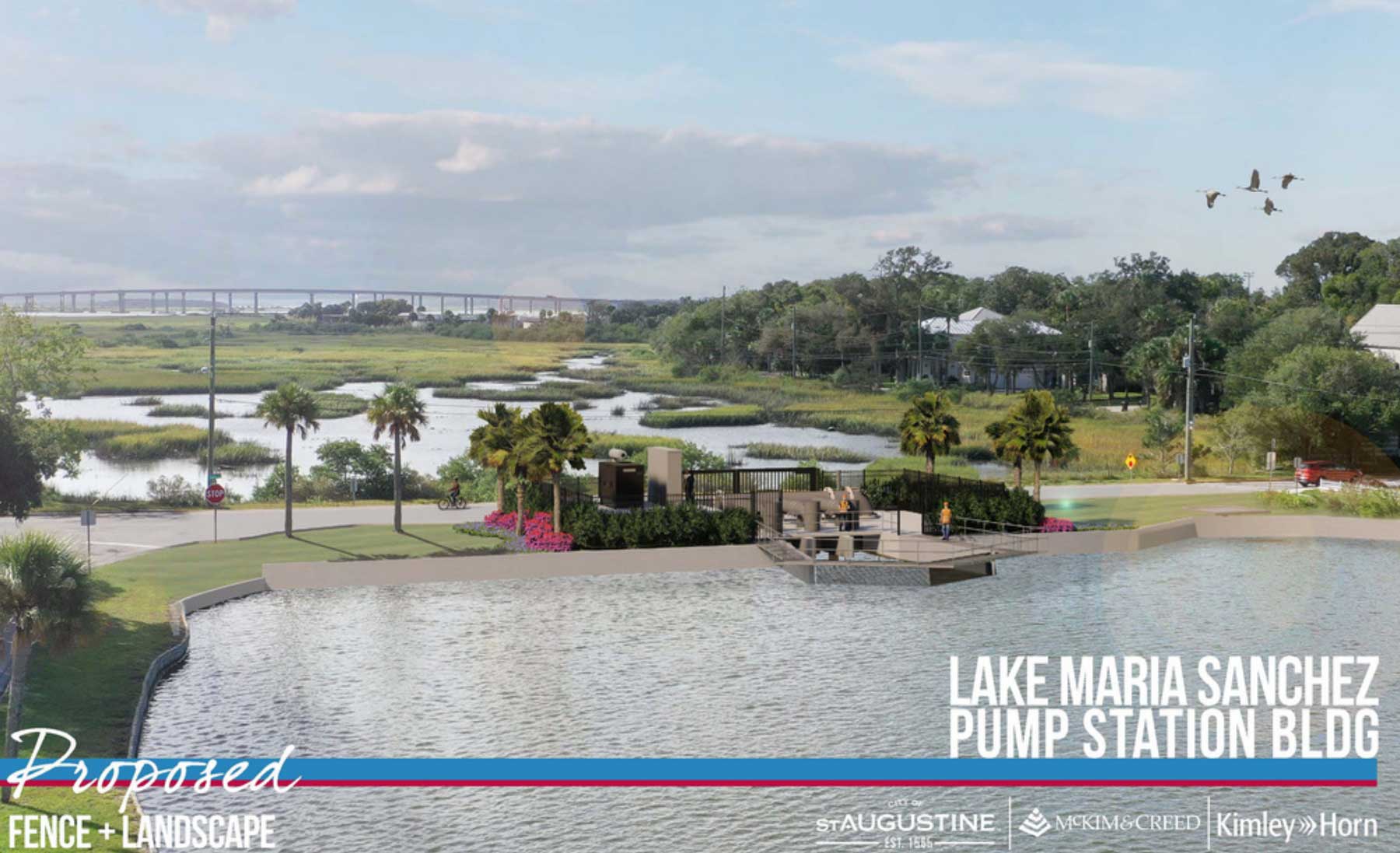
- A stormwater pump station. A pump station is planned near the south end of Lake Maria Sanchez, along South Street. The pump station is intended to help move water out of the basin when gravity drainage is not enough, especially during conditions when high tides prevent water from flowing out naturally.
- A flood wall or bulkhead. The project includes a flood wall along the southern portion of the project area, where the lake and marsh interface with private property. City staff emphasized that this is not designed as a towering wall. The proposed structure is expected to be only a few feet above ground, described during the meeting as roughly “hip high,” but engineered to provide a higher level of flood protection based on elevation standards.
- Tide check valves. These one-way valves are planned for stormwater outfalls. Their purpose is to allow stormwater to drain out while helping prevent tidal water from pushing back into the drainage system.
- Utility and streetscape work. In the northern phase, the city also expects to replace utilities, reconstruct portions of roadway, improve streetscapes and underground overhead electrical lines in some areas.
Together, those components are intended to reduce both everyday nuisance flooding and more damaging flood conditions during coastal events.
How the Project is Being Phased
Because the full project is complex, the city is moving it forward in phases. The northern phase focuses largely on improvements within city-owned right of way, particularly around City Hall and nearby streets. That phase is aimed primarily at rainfall-driven flooding. City staff said design and permitting for that portion were expected to continue in 2025, with the goal of bidding the work and moving toward construction in 2026.
The southern phase focuses on the coastal flooding side of the project. That includes the pump station, flood wall, tide check valves and related improvements needed to reduce water pushing into the neighborhood from the lake and marsh area. This phase has been delayed because the city needs easements across private property to build and maintain portions of the flood wall and related infrastructure.
Why Easements Became the Key Issue
At the Feb. 24 meeting, the City Commission considered Resolution 2025-07, which authorizes the city to pursue easements needed for the project either through continued negotiation or, if necessary, eminent domain. The city said voluntary agreements remain the preferred path. However, staff also said easements have delayed the southern portion of the project for years. The resolution gives the city the ability to move forward with acquiring the needed easements so final design and construction planning can continue. The easements are needed for several purposes: permanent placement of infrastructure, temporary access during construction, and long-term access so the city can maintain the flood protection system after it is built.
City representatives emphasized that the easements are for portions of private property needed to complete a public flood-mitigation project. They also said the city would be required to follow legal procedures, including notice, appraisals and compensation based on the value of the easement interest. Commissioners unanimously approved the resolution.
How the Project is Funded
The Lake Maria Sanchez project is supported by state resilience funding and city funding. The city fact sheet lists an estimated construction cost of $30 million, with nearly $20 million from the Florida Department of Environmental Protection’s Resilient Florida Grant Program and about $10 million from the City of St. Augustine or other funding sources. During the Feb. 24 meeting, city staff also referenced state legislative appropriations and DEP funding to help with design and construction costs. As with most major infrastructure projects, final costs may change as design, permitting, easement acquisition and bidding move forward.
What This Means for Residents
For residents in the Lake Maria Sanchez watershed, the project is intended to reduce repeated flooding that has become part of life in low-lying areas of the city. It will not eliminate all flood risk. City staff noted that the project is designed for a specific level of protection and is not meant to stop the most extreme hurricane flooding. But it is expected to make a meaningful difference during lower-level coastal flood events, king tides, nuisance flooding and rainfall events that currently leave streets underwater.
For the broader city, the project is part of a larger resilience strategy. St. Augustine is an old city built in a low coastal landscape. Its stormwater system, streets and historic neighborhoods were not built for the flooding pressures the city now faces. Projects like Lake Maria Sanchez are intended to modernize that infrastructure while protecting historic assets, residential neighborhoods and public access.
The city will continue working through design, permitting, easement acquisition and grant requirements. The northern portion of the project is expected to move first because much of that work is within city-controlled right of way. The southern portion depends on resolving easements and completing final design for the flood wall, pump station and related coastal-flood improvements.