Business
Market to Market brings a Little Bit of Authentic Spanish Heritage Home for Everyone
A painted house number can seem like a small thing until it is mounted beside a front door, catching the afternoon light and becoming part of the way a family recognizes home. A blue-and-white pitcher
By Heather Vreeland
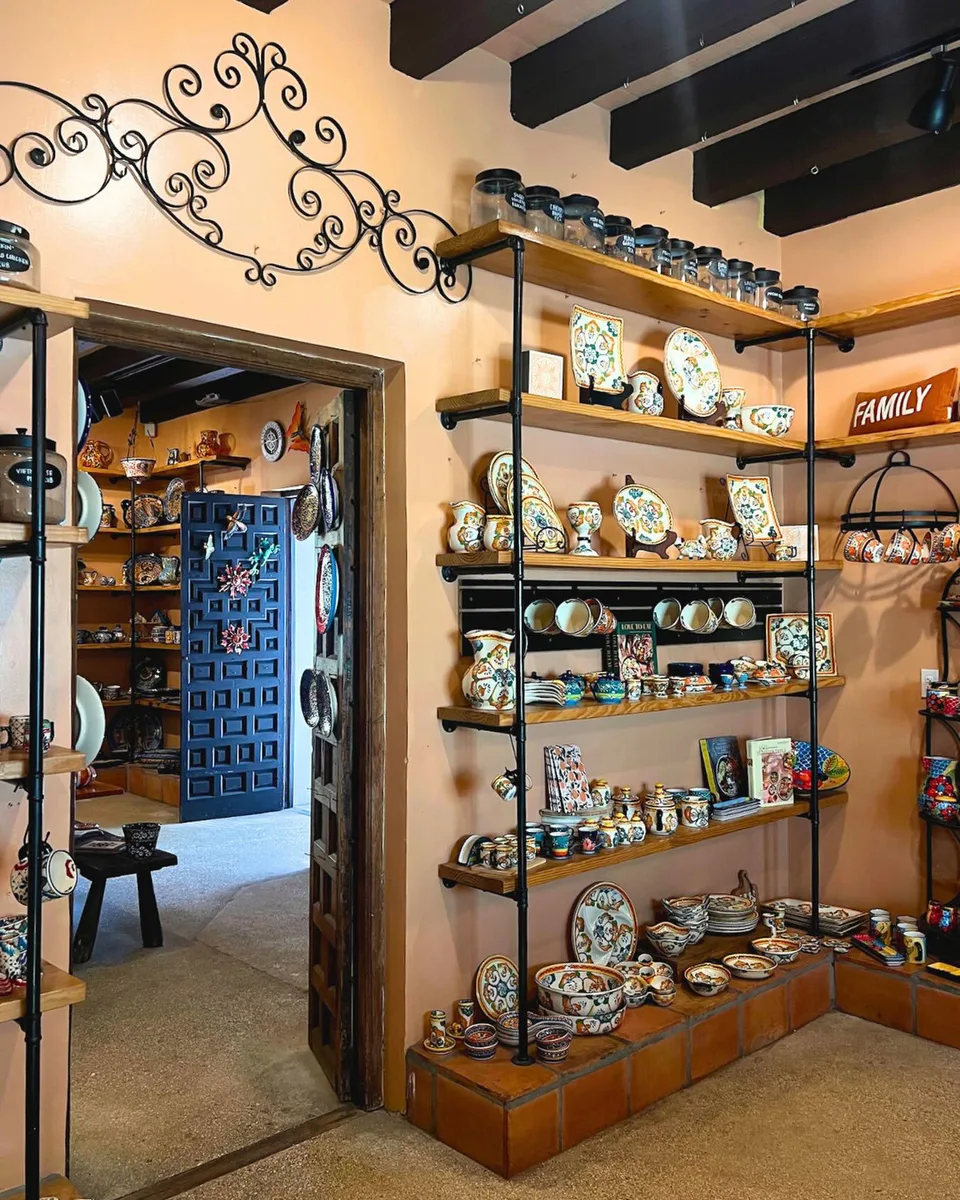
A painted house number can seem like a small thing until it is mounted beside a front door, catching the afternoon light and becoming part of the way a family recognizes home. A blue-and-white pitcher can move from a kitchen shelf to a dinner table for years. A mug may become the one someone reaches for every morning, not because it matches a set, but because it feels right in the hand.
Those are the kinds of objects that fill Market to Market, the St. George Street shop owned by Lorraine. Its shelves hold pottery, glassware, serving pieces, cups, tiles, spice jars and home accents imported from artisan families in Spain and Mexico. The selection is colorful and practical, but its real appeal lies in the people and processes behind it.
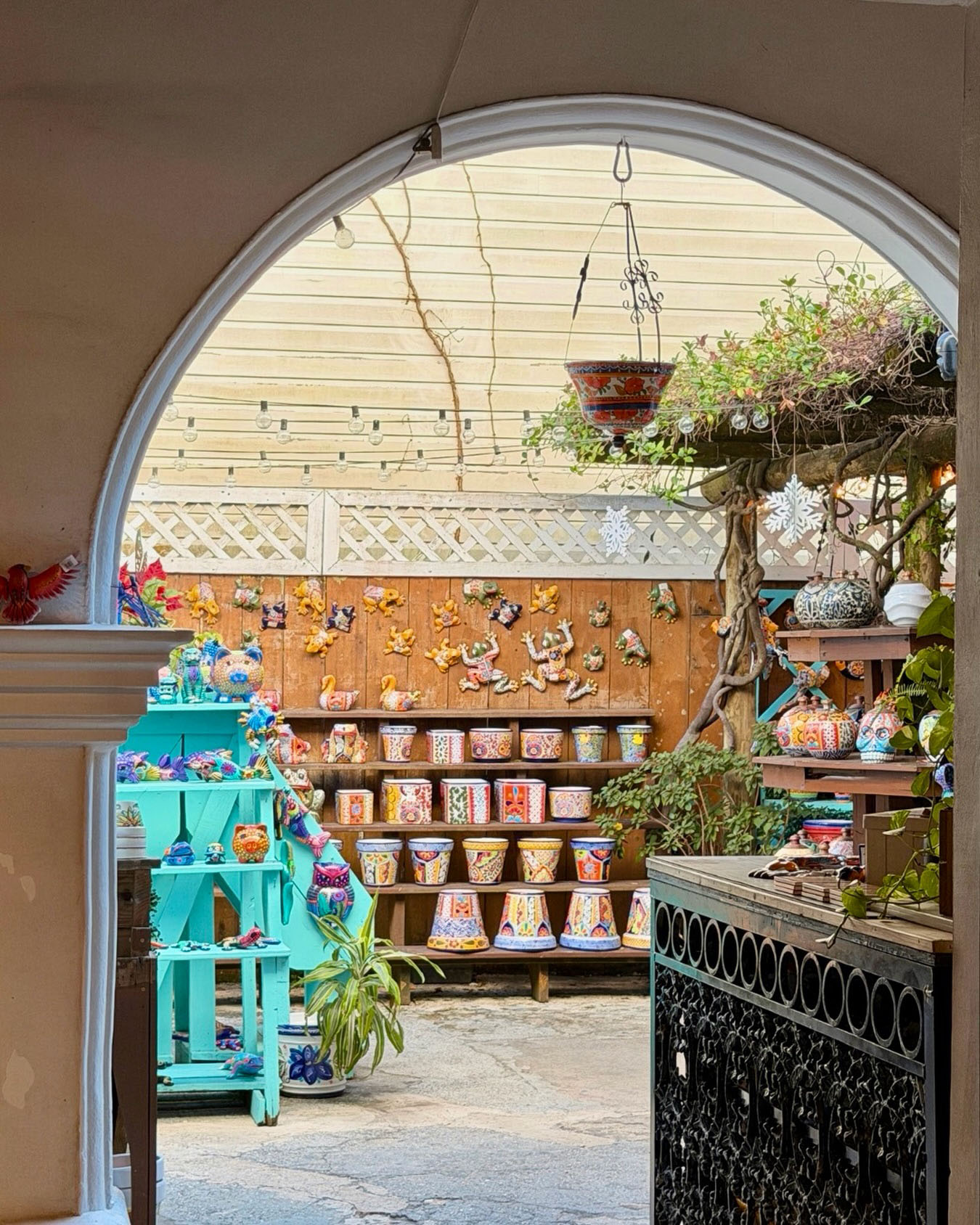
Lorraine knows many of those people personally. She and her husband, who speaks and writes fluent Spanish, have traveled to meet the makers whose work they bring back to St. Augustine. In Spain, those visits have included meals with the artists and their families. One memorable trip led them deep into the countryside outside Toledo, searching for a maiolica workshop in a small village. After hours on the road, they found their way down a winding alley to a large door. Inside was a working studio, surrounded by the ordinary life of its owners: chickens, cats and dogs, and shelves of carefully made pottery.
“That’s where our products come from,” Lorraine said.
The visit helped make visible what can be easy to overlook when a finished piece is sitting on a store shelf. Handmade pottery begins long before the painting. Clay must be gathered and refined into a fine powder, then cleaned and mixed with water. It is held until it reaches the right moisture level, shaped by a potter, dried, fired and eventually painted. The full process can take 45 to 60 days, depending on the piece and the climate.
Some decorative tiles are painted using cuerda seca, a technique whose name translates to “dry cord.” Historically, a thread was placed between colors to keep them from running together during firing. Today, the finished work retains the crisp divisions and detailed patterns associated with the technique.
The result is not factory-perfect, and that is part of the point. A hand-painted tile may have subtle variations in color. A ceramic piece may reveal the evidence of its making in its surface or shape. Those details are reminders that it passed through real hands before arriving in St. Augustine.
Market to Market’s connection to this work grew from Lorraine’s earlier retail experience. After moving her first shop from the mall to its current location, she began looking for another space and learned that the storefront in front of her was available. The existing business, Tierra Fina, was for sale. Lorraine took it on, then found herself determined to understand the supply chain behind the pottery she was selling.
When an arrangement with the former owner limited where she could buy, she began doing the research herself. She learned the names of the artisans and workshops, traveled to Mexico, and built relationships directly with the people who made the goods. Her husband and son eventually joined her in the work: her husband came out of retirement, and her son now manages the business and contributes his own craft through custom woodwork and CNC-created signs and frames.
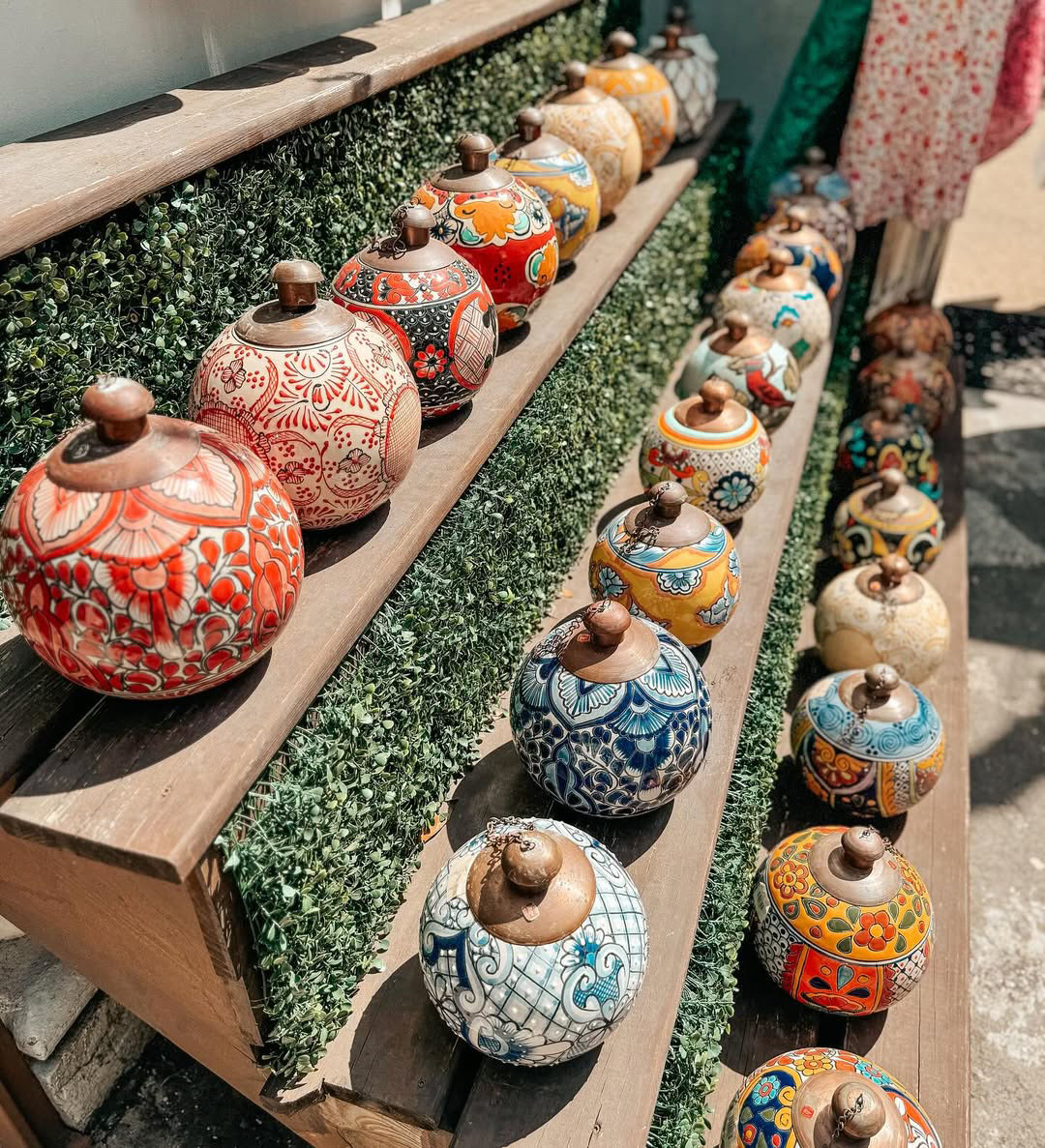
That family involvement echoes the structure of many of the workshops Market to Market represents. Some of the store’s pieces are collaborations among several artisans. A decorative oil lamp, for example, may bring together a copper worker who creates the frame and top, a porcelain maker responsible for the center, and a Talavera artist who forms the painted globe. Each person contributes a specialized part to an object that becomes whole only when the work is assembled.
For Lorraine, the relationships matter as much as the merchandise. The shop’s house numbers, she said, are guaranteed for life, a promise that reflects how she sees these pieces: not as disposable décor, but as objects meant to stay with people.
The St. George Street store also carries items chosen for the way people use them at home, including teas, spices and glassware. There are practical gifts, hand-painted pieces for porches and patios, and small discoveries offering St. Augustine residents a way to bring a small piece of Spanish heritage into their own routines, not as something kept behind glass, but as something used. Over time, those objects gather their own family stories.
In an economy where so much shopping can feel hurried or mass produced, Market to Market asks visitors to notice where a thing came from and who made it. The answer may be a workshop in Mexico, a village outside Toledo, or an artisan family Lorraine has come to know over shared meals. For those who bring a piece home, it becomes a modest but meaningful connection between St. Augustine and the hands that shaped it.